

Small-Batch Coffee Roasting: Why It Matters
Table of Contents
- What Small-Batch Coffee Roasting Actually Means
- Small-Batch Coffee vs Mass-Produced Coffee: The Real Differences
- Freshly Roasted Coffee Benefits You'll Notice Immediately
- How Roast Profiles Shape What's in Your Cup
- Bean Selection and Terroir: The Foundation of Quality
- How to Store Fresh Coffee Beans for Maximum Freshness
- The Cost Question: What You're Actually Paying For
- Frequently Asked Questions
Last Updated: October 11, 2026
What Small-Batch Coffee Roasting Actually Means
Small-batch coffee roasting is roasting beans in deliberately limited quantities, typically 5-50 pounds per batch, with close attention to roast development. This differs fundamentally from industrial roasting, where thousands of pounds move through machines with preset parameters. At Dyverse, we partner with a dedicated craft roaster.
Small-batch roasting means a roaster can hear the first crack, feel the progression, and make decisions mid-roast. This hands-on control creates consistency that mass production cannot match, which is why the coffee tastes noticeably different from what sits on supermarket shelves for months.
Small-Batch Coffee vs Mass-Produced Coffee: The Real Differences
Small-batch roasting and mass production reflect different philosophies: mass production prioritizes consistency and shelf stability; small-batch roasting prioritizes flavor and freshness.
Mass production uses high-speed drum roasters processing enormous volumes continuously. Beans move through on a belt, exposed to uniform heat for a set duration. The goal is predictability, every batch performs identically. But this uniformity flattens flavor complexity, and beans spend weeks or months in transit and storage before reaching you.
Small-batch roasting works differently: the roaster watches closely and makes constant micro-adjustments, pulling the batch at the exact target point. The result ships within days.
Freshly Roasted Coffee Benefits You'll Notice Immediately
Peak Flavor Clarity and Complexity
The first thing you'll notice with freshly roasted small-batch coffee is clarity: individual flavor notes emerge distinctly. This clarity only exists in the first few weeks after roasting; oxidation then simplifies the flavor profile.
With small-batch roasting, you're tasting the beans closer to their roast date, so the roaster's decisions are still present in the cup. Mass-produced coffee loses this nuance because volatile compounds have already begun to fade by the time it reaches you.
Aroma and Sensory Experience
Aromatic compounds deteriorate quickly after roasting because they're volatile. This is why fresh-roasted coffee smells compelling when you open the bag, while coffee sitting for months smells flat.
Small-batch roasting means you're getting beans within days of roasting. When you grind the beans, you release volatile compounds at their peak, aroma and taste are deeply connected.
How Roast Profiles Shape What's in Your Cup
Roast Curve and Temperature Control
A roast profile is the path from green bean to finished product, defined by temperature, time, and heat application rate. Two roasters using the same beans can produce dramatically different coffees based on their roast curves.
In small-batch roasting, the roaster controls the curve actively, adjusting heat based on observation. A longer, slower roast develops deeper, caramelized notes; a shorter roast preserves origin character and acidity.
Mass production uses fixed curves, applying the same temperature profile to every batch. This ensures consistency but eliminates the ability to respond to variation in the green beans themselves.
First Crack and Roast Development
First crack is when internal pressure ruptures the bean's cell structure, heard as a popping sound (Critical roasting level determines bioactive content and antioxidant activity of Robusta...). It marks a critical transition: beans pulled just before first crack are light and bright; beans pulled after are darker and heavier.
Small-batch roasters listen for first crack and use it as a reference point to make roasting decisions. A roaster targeting a light roast might pull seconds after first crack; a medium roast continues developing further. This precision creates distinct flavor profiles.
In industrial roasting, first crack happens on schedule, but the roaster isn't making decisions based on it, beans continue for a predetermined duration regardless of development stage.
Bean Selection and Terroir: The Foundation of Quality
Single-origin and microlot sourcing are where small-batch roasting begins. The roaster's choices about which beans to work with directly shape what's possible in the cup.
Single-Origin and Microlot Sourcing
A single-origin coffee comes from one country or region; a microlot is from a single farm or field. These distinctions allow you to taste the specific environment where the coffee grew.
Terroir describes the complete environmental context: altitude, soil, rainfall, temperature, and varieties. A coffee from Ethiopia's Sidama region tastes fundamentally different from Colombia's Huila region. The roaster's job is to make those differences audible in the cup.
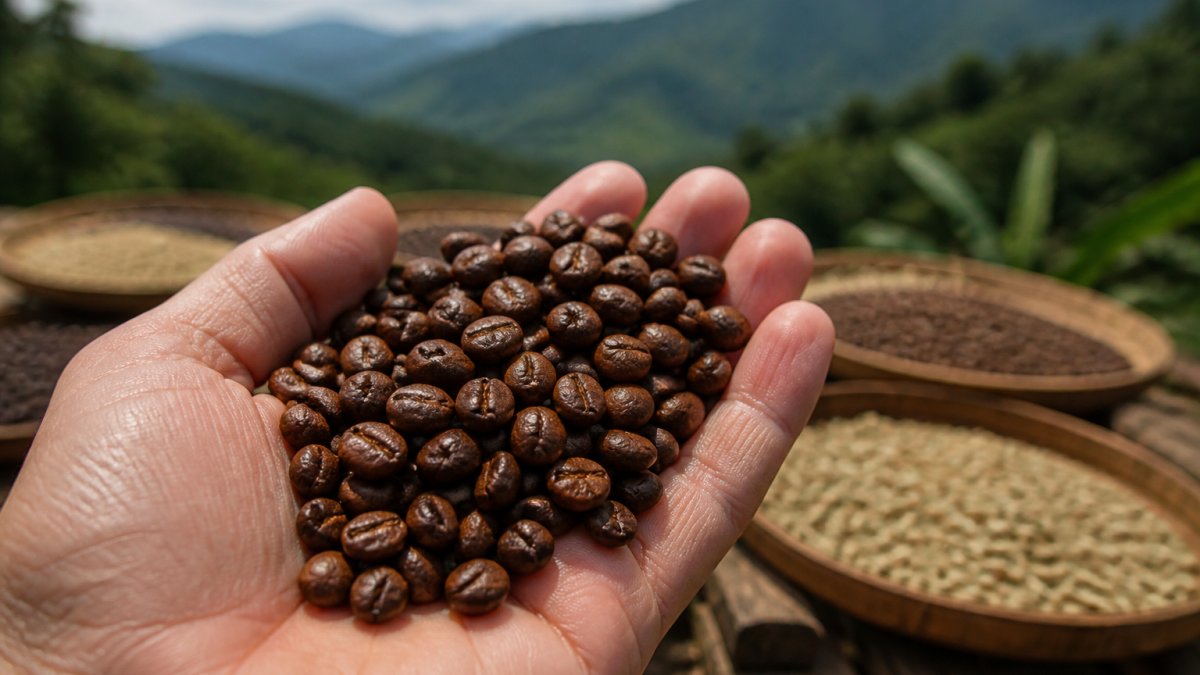
When you buy small-batch roasted coffee from Dyverse, you're getting beans selected for their origin character. Our roasters work with single-origin lots and microlots because those beans tell a story that blended commodity coffee never can.
Traceability and Direct Partnerships
Small-batch roasters typically source directly from growers, preserving traceability. This knowledge of origin, processing method, and grower informs roasting decisions.
Dyverse works directly with growers and cooperatives, understanding the altitude, processing method, and harvest timing of each lot. Direct sourcing makes that precision possible.
How to Store Fresh Coffee Beans for Maximum Freshness
Storage Best Practices
Once your small-batch roasted coffee arrives, storage becomes critical to slow oxidation and preserve volatile aromatic compounds.
Store beans in an airtight container away from light, heat, and moisture. A sealed bag with a one-way valve works well. Keep it in a cool, dark place; avoid the refrigerator or freezer unless storing for several months.
Single Origin Favorites Sample Pack →
The ideal window for brewing is 5-30 days after roasting. After 30 days, aromatic compounds fade noticeably; by 90 days, the coffee tastes noticeably flatter.
Evaluating Freshness and Quality When You Buy
Storage only works if you start with fresh coffee. Here's how to assess what you're actually purchasing:
Check the roast date. This is the single most important signal. If a bag lacks a clear roast date, that's a red flag. A roast date within 2 weeks is ideal; 4+ weeks old means you're halfway through your peak flavor window. "Roasted fresh" without a specific date is marketing language, not information.
Look for origin and processing details. Legitimate small-batch roasters list country, region, and processing method. Generic labels like "Premium Blend" without origin information suggest commodity beans, not small-batch sourcing.
Assess the roast level description. Small-batch roasters describe roast levels precisely ("Light City," "Full City," etc.) and often explain what they were targeting. This specificity indicates intentional roasting decisions, not a generic profile.
Examine the bag itself. Quality small-batch roasters use bags with one-way valves and often include storage guidance. The bag should feel sturdy and seal properly. Bags that feel thin or don't seal well will let oxygen in, degrading the coffee faster.
Ask about the roaster's cupping process. Small-batch roasters typically cup (professionally taste) their roasts to verify quality before shipping. If you can find information about their cupping notes or quality standards, that's a signal they're measuring outcomes, not just making subjective claims.
Consider the sourcing story. Roasters who work directly with growers often share details about the farm, altitude, harvest timing, or the grower's practices.
Why Roast Date Matters More Than You Think
When you buy small-batch roasted coffee from a roaster who ships within days of roasting, you're starting your 30-day peak window immediately, not halfway through it. This is why roast date is the most actionable piece of information on the bag. It tells you exactly how much of the coffee's flavor potential you still have access to. A coffee roasted 2 weeks ago will taste noticeably brighter and more complex than the same coffee roasted 6 weeks ago, even if both are stored identically.
The Cost Question: What You're Actually Paying For
Small-batch roasted coffee costs more than mass-produced coffee. Understanding what drives that premium, and what it does not guarantee, helps you decide whether it's worth it for your situation.
What You're Paying For
The price difference reflects several real factors. First, small-batch roasting is labor-intensive. Second, sourcing matters. Direct relationships with growers, single-origin lots, and microlots cost more than commodity beans bought through brokers. Third, freshness has a cost. Fourth, small-batch roasters typically roast more frequently in smaller volumes.
You're also paying for the potential for consistency and flavor. When you buy small-batch roasted coffee, you're getting beans that were selected for quality and roasted with attention to their specific characteristics. The Single Origin Favorites Sample Pack from Dyverse at $24.99 gives you access to six different origins, Brazil Santos, Colombia, Costa Rica, Ethiopia, Honduras, and Tanzania, each roasted to bring out its distinctive terroir.

What the Premium Does Not Guarantee
Here's what matters: small-batch production does not automatically produce superior coffee. Price and quality are correlated but not identical. A small-batch roaster with poor sourcing decisions, inconsistent technique, or inadequate equipment can produce coffee that tastes worse than a well-run industrial operation.
Batch-to-batch variation is real. Because small-batch roasters respond to the specific behavior of each batch, two roasts of the same origin from different harvests, or even different lots from the same harvest, will taste noticeably different. Some roasters embrace this as authenticity; others see it as inconsistency.
Availability is also a trade-off. A small-batch roaster producing 50 pounds per batch of a single-origin microlot might sell out in a week. If you love a particular coffee, you may not be able to buy it again until the next harvest. Mass-produced coffee is always in stock because it's produced continuously and in enormous volume.
Evaluating Whether the Cost Is Justified for You
The price premium makes sense if:
- You taste a clear difference between small-batch and mass-produced coffee and prefer it
- You brew coffee frequently enough to use a bag within 30 days of roasting
- You're willing to experiment with different origins and accept batch-to-batch variation
- You value the sourcing story and direct relationships with growers
The premium may not be justified if:
- You store coffee for months before brewing it (freshness advantage disappears)
- You brew coffee inconsistently or infrequently
- You prefer consistency over variation
- Your brewing method doesn't showcase the subtleties small-batch roasting preserves (very coarse French press, for example, will mask some of the flavor clarity)
For someone exploring what coffee can taste like, starting with a sampler represents genuine value. You're tasting what's actually possible in the cup, not what's possible within the constraints of mass production and long supply chains. But the decision to switch entirely depends on your brewing habits and whether you notice, and value, the difference.
Frequently Asked Questions
What does small-batch roasted coffee mean?
Small-batch roasted coffee refers to beans roasted in limited quantities by a craft roaster who maintains close control over temperature, airflow, and roast development. Unlike mass production, which roasts large quantities with automated systems, small-batch roasting allows the roaster to adjust the roast curve for each batch based on bean origin, moisture content, and desired flavor profile. This hands-on approach produces more consistent, flavorful results and ensures beans reach peak freshness shortly after roasting.
How does small-batch roasting affect coffee freshness?
Small-batch roasting delivers fresher coffee because roasters typically roast to order or in smaller quantities shipped quickly to customers. Coffee begins to lose volatile aromatics and flavor clarity within days of roasting. Small-batch roasters prioritize rapid fulfillment. Mass-produced coffee, by contrast, may sit in warehouses for weeks or months before reaching you, resulting in stale, flat flavors and diminished aroma.
Why is small-batch coffee more expensive than mass-produced coffee?
Small-batch coffee costs more because of direct sourcing from growers, higher-quality bean selection (including microlots and single-origin lots), small-batch roasting labor, and rapid shipping to preserve freshness. There are no middlemen buying in bulk and reselling at lower cost. You're paying for traceability, intentional roast profiles tailored to each origin, and beans at peak freshness. The price reflects the entire supply chain designed to deliver superior flavor and quality, not just the coffee itself.
How should you store freshly roasted coffee beans?
Store freshly roasted beans in an airtight container away from light, heat, and moisture. Keep them at room temperature, never in the refrigerator or freezer, as condensation damages the beans. Allow beans to degas after roasting. Use beans within a few weeks of the roast date. Check the roast date on your packaging and grind only what you'll brew within a few days to preserve aroma and complexity.