

Rare Breed Coffee Alternative: Top Options for 2026
Table of Contents
- What Makes a Rare Breed Coffee Alternative Worth Trying
- Coffee Alternatives That Taste Like Coffee: Blends vs Single-Origin
- Coffee Alternatives for Home Brewing: Format and Freshness
- Caffeine-Free Coffee Alternatives: Functional Blends
- Coffee Alternatives With Caffeine: Specialty Blends and Sourcing
- Price and Value Comparison: What You're Paying For
- Sourcing, Freshness, and Sustainability: Beyond the Brew
- How to Choose Your Rare Breed Coffee Alternative
- Frequently Asked Questions
Last Updated: October 14, 2026
What Makes a Rare Breed Coffee Alternative Worth Trying
Looking for a rare breed coffee alternative that delivers the depth and complexity you love without settling for ordinary? What once meant choosing between the same mass-produced options now opens into a world of functional blends, single-origin discoveries, and experimental roast profiles that challenge everything you thought you knew about your morning cup.
At Dyverse, we've spent years sourcing exceptional beans from around the world and partnering with dedicated craft roasters to ensure every order ships fresh directly to your doorstep. The difference isn't subtle.
But what exactly makes something worth switching for? It comes down to three things: flavor complexity that rewards attention, freshness that actually matters, and intentional sourcing that reflects where your coffee comes from. A true rare breed coffee alternative isn't just a different brand. It's a different approach to how coffee reaches your cup.
Coffee Alternatives That Taste Like Coffee: Blends vs Single-Origin
The core question when exploring a coffee alternative that tastes like coffee is whether you want a single-origin expression or a thoughtfully crafted blend. This choice shapes everything about your experience.
Single-origin coffees highlight the unique characteristics of a specific region. A bean from Ethiopia tastes fundamentally different from one grown in Colombia, different acidity, different sweetness, different body. These coffees demand attention. They reward it with complexity and story.
Blends combine beans from multiple origins to create a specific flavor profile. A well-designed blend balances brightness with body, acidity with sweetness. The best blends aren't compromises, they're intentional compositions. Many coffee enthusiasts dismiss blends as "lesser," but that's backwards. A mediocre single-origin is still mediocre. A masterfully crafted blend can be transcendent.
The practical difference: single-origin coffees vary season to season because they're tied to a specific harvest. Blends offer consistency while still celebrating origin. Neither is objectively better. Your preference depends on whether you want discovery (single-origin) or reliability (blend).
Coffee Alternatives for Home Brewing: Format and Freshness
Whole-Bean and Ground Coffee Formats
The format you choose determines both your brewing flexibility and how long your coffee stays fresh. Whole beans maintain their flavor significantly longer than ground coffee because grinding exponentially increases surface area exposed to oxygen. A whole bean can taste excellent for three to four weeks after roasting.
This is why serious coffee drinkers grind immediately before brewing. The inconvenience is worth it. If you have a burr grinder at home, even an inexpensive one, whole beans are the clear choice.
Ground coffee makes sense only if you lack a grinder or prioritize convenience over peak flavor. When you buy pre-ground, you're accepting a trade-off. The coffee will taste good, but not as good as it could.
Dyverse ships whole beans as the default because we believe freshness matters more than convenience. If you need ground coffee, we'll grind it for you, but we recommend grinding at home if you're able.
Instant Options for Convenience
Instant coffee has a reputation problem it doesn't deserve. Most instant coffee tastes thin and bitter because it's made from low-quality beans processed aggressively. But instant made from specialty-grade beans? That's different.
Our Instant Coffee with Mushroom ($23.99) delivers about 42 servings per package. You add hot water, stir, and drink. No equipment required. The mushroom blend, Lion's Mane, Cordyceps, and Reishi, adds functional depth beyond caffeine, supporting focus and stamina in ways traditional coffee doesn't.
Instant makes sense for travel, the office, or mornings when you're running late. It's not a compromise on quality the way mass-market instant is. It's a format choice that acknowledges reality: sometimes convenience wins, and that's okay.
Caffeine-Free Coffee Alternatives: Functional Blends
Not everyone wants caffeine, and the reasons vary. Some people are sensitive to it. Others want an evening cup without disrupting sleep. Still others are pregnant or managing health conditions that require avoiding stimulants.
A caffeine-free rare breed coffee alternative doesn't mean sacrificing flavor or depth. The best decaf options use specialty-grade beans and preserve the complexity that makes coffee worth drinking in the first place.
Our Decaf Coffee With Mushrooms ($20.99) removes the caffeine while keeping everything that makes coffee interesting. The medium roast brings out sweetness and body.


The practical reality: decaf technology has improved dramatically. Modern decaf tastes nothing like the thin, bitter versions from decades past. If you've avoided decaf because of past experiences, it's worth trying again.
For tea drinkers exploring coffee alternatives, our Hojicha With Mushrooms ($20.99) offers a roasted green tea with the same mushroom blend. Hojicha is naturally low in caffeine and delivers a warm, toasty flavor profile that appeals to coffee lovers seeking something different.
Coffee Alternatives With Caffeine: Specialty Blends and Sourcing
If you want the full caffeine experience, sourcing and roast profile matter enormously. A high-quality caffeinated coffee alternative delivers the energy boost alongside flavor complexity that makes the experience worthwhile.
Our Coffee with Mushrooms Medium Roast ($26.99) and Coffee with Mushrooms Dark Roast ($26.99) both pair specialty-grade beans with functional mushroom blends. The medium roast preserves origin characteristics, brighter, more nuanced. The dark roast develops deeper body and lower acidity, with caramel and chocolate notes emerging through extended roasting.

The mushroom blend adds something traditional coffee doesn't. Cordyceps has been valued in traditional practices for supporting stamina. Lion's Mane is associated with focus and clarity. Reishi rounds out the blend with calming properties that balance caffeine's stimulation.
Coffee with Mushrooms Medium Roast →
This is where a rare breed coffee alternative distinguishes itself from standard options. You're not just getting caffeine. You're getting a thoughtfully designed experience.
Price and Value Comparison: What You're Paying For
Specialty coffee costs more than commodity coffee. Understanding why changes how you evaluate the price.
| Option | Price | Format | Best For |
|---|---|---|---|
| Coffee with Mushrooms Medium Roast | $26.99 | Whole bean | Daily brewing with functional benefits |
| Coffee with Mushrooms Dark Roast | $26.99 | Whole bean | Rich flavor, lower acidity preference |
| Instant Coffee with Mushroom | $23.99 | Instant | Convenience, travel, office |
| Decaf Coffee With Mushrooms | $20.99 | Ground | Evening drinking, caffeine sensitivity |
| Hojicha With Mushrooms | $20.99 | Powder | Tea alternative to coffee |
The price reflects several factors. Fresh-roasted specialty beans cost more than commodity beans because they're sourced from specific origins with proven quality. Direct partnerships with growers eliminate middlemen, which actually increases cost upfront but ensures transparency and fair compensation. The mushroom blends add functional ingredients that require sourcing and processing. Most importantly, shipping fresh directly to your doorstep costs more than storing coffee in warehouses for months.
What you're not paying for: marketing hype, unnecessary packaging, or profit margins for distributors. You're paying for actual quality that you'll taste in every cup.
Compare this to mass-market alternatives. A $12 bag of grocery store coffee might seem cheaper until you realize you need more of it to get decent flavor. You're also tasting beans that have been sitting around for months. The real cost isn't the price per bag, it's the cost of mediocrity every morning.
Sourcing, Freshness, and Sustainability: Beyond the Brew
Where your coffee comes from matters. Not as marketing language, but as actual flavor and ethics.
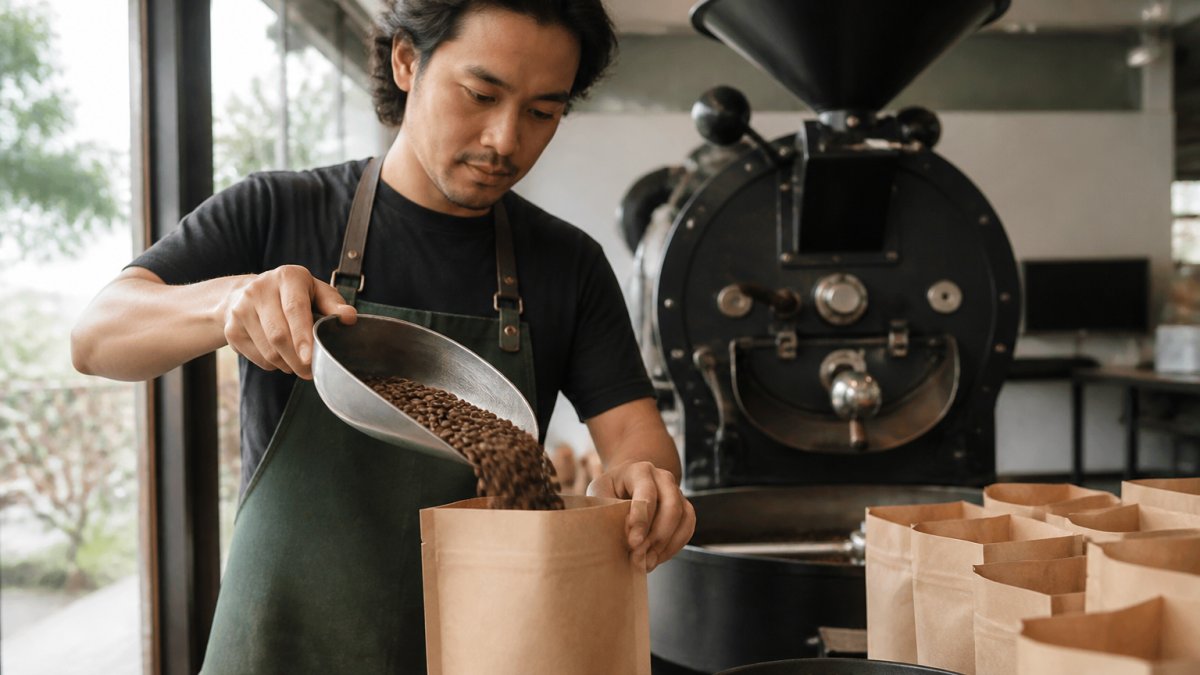
A rare breed coffee alternative sourced directly from growers tastes different because the supply chain is shorter. Fewer hands touch your beans between harvest and roast. Less time passes. The coffee arrives at its peak.
Dyverse partners directly with growers and a dedicated craft roaster. This means we control the entire journey. We know the farms. We understand the harvest conditions.
Sustainability goes beyond the bag. Direct relationships with growers mean fair compensation and long-term partnerships that encourage sustainable farming practices. Our packaging uses recycled materials and minimalist design to reduce waste.
The practical result: coffee that tastes better, arrives fresher, and reflects sourcing practices you can actually verify. That's what makes it worth the premium.
How to Choose Your Rare Breed Coffee Alternative
Start by answering three questions.
First, what's your brewing method? If you have a grinder and a few minutes in the morning, whole beans are your answer. If you're always rushed, instant or pre-ground makes sense.
Second, what's your caffeine preference? Full caffeine, decaf, or something in between? Your energy needs and sensitivity matter. If you're sensitive to jitters, the mushroom-infused options balance stimulation with adaptogens that smooth the experience.
Third, are you exploring for discovery or seeking reliability? Single-origin coffees vary by season and offer constant exploration. Blends provide consistency while still celebrating origin. Both approaches work, they just serve different goals.
From there, start with one option that matches your answers. Brew it properly. Pay attention to the flavor. Notice the aroma, the body, the finish. A rare breed coffee alternative rewards attention.
If you're coming from mass-market coffee, the difference will be immediate. If you're already drinking specialty coffee, our focus on freshness and direct sourcing will push what you thought possible even further.
Finding your ideal rare breed coffee alternative means choosing based on your actual life, how you brew, what you need from caffeine, and whether you want exploration or consistency. Our Coffee with Mushrooms blends deliver specialty-grade flavor with functional benefits that standard coffee doesn't provide. Start with what matches your brewing style and caffeine preference, and let the actual taste guide your next choice. Shop premium coffee today and experience what freshness and intentional sourcing actually taste like.
Frequently Asked Questions
What makes a rare breed coffee alternative different from regular coffee?
A rare breed coffee alternative focuses on exceptional sourcing, unique flavor profiles, and intentional roasting. Unlike mass-market coffee, these alternatives emphasize terroir, origin story, and direct partnerships with growers. They often feature single-origin beans, experimental roast profiles, or functional blends like mushroom-infused options. The difference lies in freshness, traceability, and the commitment to delivering coffee beyond the ordinary cup.
Are there coffee alternatives that taste like coffee but have less caffeine?
Yes. Decaf coffee alternatives maintain the flavor and body of regular coffee while removing most caffeine. Dyverse's Decaf Coffee With Mushrooms ($20.99) blends specialty-grade decaf with Lion's Mane, Cordyceps, and Reishi mushrooms for a smooth, functional option. Mushroom-infused blends also provide a coffee-like experience with added functional benefits. Hojicha, a roasted green tea, offers a toasty, coffee-adjacent flavor with minimal caffeine, making it ideal for those seeking a similar taste without the jolt.
How do I know a rare breed coffee alternative is actually fresh when it arrives?
Freshness depends on roast-to-delivery timing. Premium alternatives like Dyverse ship directly from the roaster, eliminating middlemen and ensuring coffee reaches you within the ideal 3-30 day window after roasting. Look for roast dates on packaging, direct roaster partnerships, and made-to-order fulfillment. Instant options like Dyverse's Instant Coffee with Mushroom (42 servings per package, $23.99) offer convenience while maintaining quality through real mushroom powder rather than extracts.
What's the price difference between rare breed coffee alternatives and standard coffee?
Rare breed alternatives typically cost more due to direct sourcing, specialty-grade beans, and fresh roasting. Dyverse's Coffee with Mushrooms (Medium or Dark Roast) is $26.99, while Decaf Coffee With Mushrooms is $20.99, and Instant Coffee with Mushroom is $23.99. The premium reflects ethical sourcing, intentional roast profiles, freshness guarantees, and functional additions like mushroom blends. Standard coffee often relies on wholesalers and longer supply chains, reducing cost but sacrificing quality and transparency.
Can I find coffee alternatives for home brewing that match my preferred roast level?
Yes. Rare breed alternatives typically offer multiple roast options. Dyverse provides both Medium and Dark Roast versions of Coffee with Mushrooms ($26.99 each), allowing you to choose based on flavor preference. Medium roasts preserve origin characteristics and acidity, while dark roasts develop deeper, bolder notes. Ground and whole-bean formats support various brewing methods like pour-over, drip, and French press. Instant options provide flexibility for quick mornings without sacrificing specialty quality.