

Is Expensive Coffee Worth the Price in 2026?
Table of Contents
- What Actually Makes Coffee Expensive
- Specialty Coffee vs Commodity Coffee: Where the Price Gap Comes From
- How to Identify High Quality Coffee Beans Before You Buy
- What Is Direct Trade Coffee and Why It Costs More
- The Diminishing Returns Curve: When Expensive Coffee Stops Being Worth It
- Freshness, Storage, and the Real Cost of Premium Coffee
- Is Expensive Coffee Worth the Price? A Practical Verdict
- Frequently Asked Questions
Last Updated: October 2, 2026
What Actually Makes Coffee Expensive
The price gap between supermarket and specialty coffee reflects real differences in growing, processing, shipping, and roasting, not marketing hype, and understanding these factors helps determine whether expensive coffee worth the price.
High-altitude beans demand more labor to harvest. Flavor-preserving processing methods take longer and require skill. Specialty roasters ship within days of roasting, not months, that supply chain overhead costs money.
Terroir matters: a Sidama Ethiopian tastes different from Brazilian Santos due to altitude, soil, and processing tradition. That specificity requires sourcing relationships and direct grower partnerships. You're paying for care and traceability, not just caffeine.
Specialty Coffee vs Commodity Coffee: Where the Price Gap Comes From
Commodity coffee is blended from multiple origins, roasted weeks or months before sale, and designed for consistency and shelf stability. Price fluctuates with global market futures; quality variation is acceptable because the goal is volume.
Specialty coffee scores 80+ on the Specialty Coffee Association's 100-point scale. Beans come from specific farms and harvests, roasted fresh to order with transparent supply chains. You know the grower's name, altitude, processing method, and roast date.
The price difference isn't subtle. A commodity coffee might cost $6 per pound. A specialty single-origin from Dyverse runs $15-18 per pound because the entire model is different. Smaller batches. Shorter shelf life. Direct relationships. Traceability. Freshness as a core feature, not an afterthought.
Specialty coffee isn't universally "better", it's different. Commodity coffee offers consistency and affordability. Specialty coffee lets you taste the difference between processing methods and origins. The price reflects which experience you're paying for.
How to Identify High Quality Coffee Beans Before You Buy
High-quality coffee beans are defined by objective grading standards, not just subjective impressions. Understanding these standards separates informed buyers from those relying on marketing language.
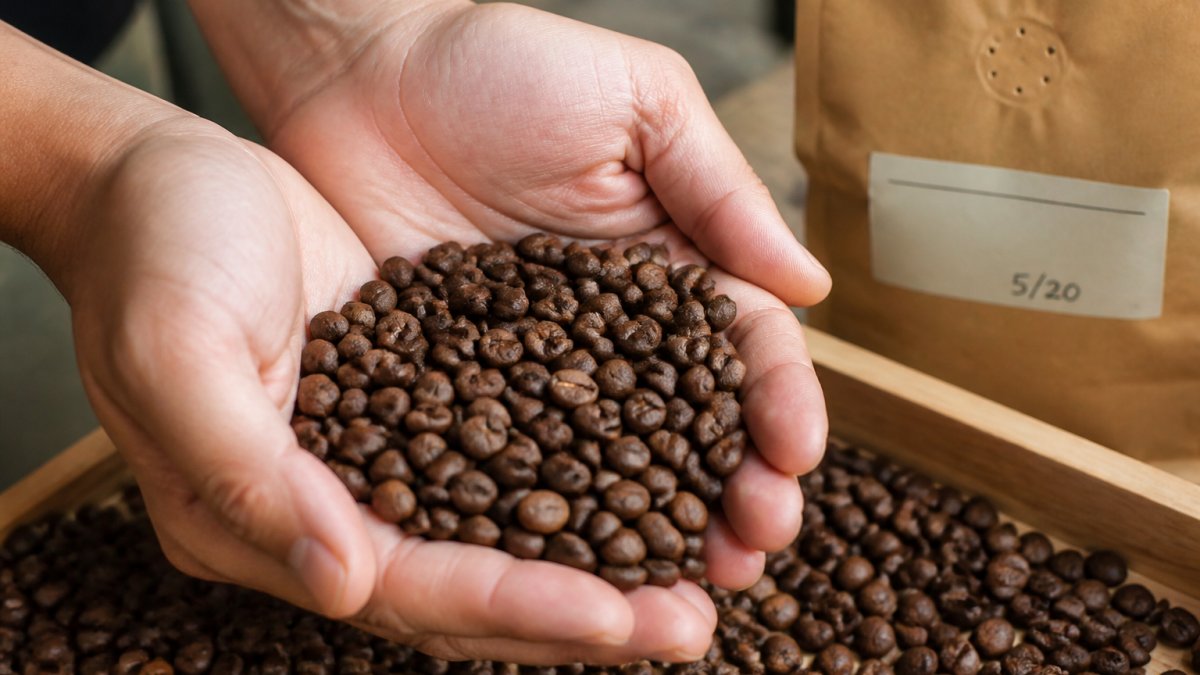
Understand the SCA grading scale. The Specialty Coffee Association grades green beans on a 100-point scale. Specialty-grade scores 80+; commodity scores 70-79. This difference is measurable, not subjective.
Check the defect count. Specialty coffee allows maximum 5 defects per 350-gram sample; commodity allows 10+. This is why specialty coffee looks more uniform, it's sorted more carefully.
Look at the roast date first. Quality retailers print the roast date on every bag. Coffee peaks 5-30 days after roasting; after 30 days, flavor complexity fades.
Verify bean size uniformity. Uniform bean size ensures even roasting. Specialty roasters sort by size; commodity roasters often don't.
Read the label for processing information. Quality roasters list processing method, grower name, altitude, and region. This transparency indicates traceability and quality control.
Smell before you buy if possible. Fresh specialty coffee has complex aroma: fruity, floral, or spice notes. Stale coffee smells flat.
Understand the origin story. Single-origin coffees like "Ethiopia Sidama" express unique characteristics shaped by altitude, soil, and processing. Blends prioritize consistency across batches.
What Is Direct Trade Coffee and Why It Costs More
Direct trade coffee means the roaster buys directly from growers, cutting out the middlemen who normally handle coffee distribution. This relationship changes everything about cost and quality.
Traditional commodity coffee flows through growers, exporters, importers, distributors, and retailers, each taking a margin. Direct trade cuts out middlemen: grower → roaster → consumer. Fewer hands mean higher grower prices and fresher coffee for consumers.
Direct trade costs more because roasters pay premium prices to growers, ensuring fair compensation for reinvestment in their farms. The grower benefits, the roaster controls quality from harvest to roast, and the consumer gets coffee with a story.
Direct trade also means traceability. You know exactly which farm your coffee came from. You know the grower's name. You know the altitude, the processing method, the harvest date. This transparency requires work.
The premium you pay for direct trade coffee supports sustainable farming practices. Growers who are fairly compensated can afford to invest in soil health, shade-grown practices, and processing equipment. They're less likely to abandon coffee farming for more profitable crops. Direct trade isn't charity, it's a business model that works for both sides.
The Diminishing Returns Curve: When Expensive Coffee Stops Being Worth It
Here's the truth that expensive coffee marketing doesn't want you to hear: the flavor improvement from cheap coffee to mid-range specialty coffee is massive. The improvement from mid-range to ultra-premium is tiny.
Picture a curve. On the left side, going from $6 commodity coffee to $12 specialty coffee, you notice dramatic differences. The flavor is cleaner, more complex, more interesting. That's a real jump.
Now move right on the curve. Going from $12 coffee to $20 coffee, the improvement is smaller. You might notice more nuance, a brighter acidity, a more interesting finish.
Single Origin Favorites Sample Pack →
Push further right to $30+ experimental or ultra-rare coffees, and the improvement becomes almost imperceptible. You're paying for exclusivity and rarity, not flavor.
The sweet spot for most people is $12-18 per pound. At that price, you're getting genuinely high-quality specialty coffee with interesting flavor profiles, fresh roast dates, and transparent sourcing. You're not paying for rarity or experimental processing.
Expensive coffee becomes worth the price only if you're specifically seeking rare varietals, experimental processing methods, or the story of an ultra-limited harvest. If you're just looking for great coffee, mid-range specialty is where the value lives.
Freshness, Storage, and the Real Cost of Premium Coffee
Freshness is the invisible cost that separates specialty coffee from everything else. But freshness alone doesn't determine whether expensive coffee delivers value.
The freshness requirement and its cost. Specialty coffee peaks between 5 and 30 days after roasting.
This freshness requirement changes the economics. Specialty roasters roast to order and ship within days because that's what specialty coffee demands.
The brewing equipment problem: expensive beans wasted on poor gear. Here's what most coffee articles ignore: expensive specialty coffee tastes mediocre when brewed with poor equipment.
Brewing coffee is chemistry. Water temperature, contact time, water-to-coffee ratio, and grind consistency all affect extraction, the process of pulling flavor compounds from the grounds.
Mid-range specialty coffee ($12-15 per pound) is forgiving. It tastes decent even with mediocre brewing. But expensive specialty coffee ($20+ per pound) demands proper equipment.
The gear-to-bean ratio matters. If you're spending $20 per pound on coffee but brewing with a $30 automatic drip machine, you're making a poor investment.
Storage at home and consumption pace. Coffee stays fresher in an opaque, airtight container away from light and heat.
The real cost of premium coffee includes the cost of consuming it while it's fresh.
Is Expensive Coffee Worth the Price? A Practical Verdict
Whether expensive coffee is worth the price depends on what you're actually comparing and what you value.
If you're comparing expensive specialty coffee to supermarket commodity coffee, the answer is yes. The flavor difference is real and noticeable. You'll taste better acidity, more complexity, more interesting notes. That improvement justifies the price increase.
If you're comparing expensive specialty coffee to mid-range specialty coffee ($12-15 per pound), the answer is more nuanced. The improvement is real but subtle. You might notice it. You might not. It depends on your palate and how much you care about detecting nuance.
If you're comparing expensive specialty coffee to ultra-premium experimental coffees at $30+ per pound, the answer is probably no unless you're specifically collecting rare lots or exploring experimental processing methods. The flavor difference is minimal relative to the price jump.
The practical verdict: buy specialty coffee in the $12-18 range. You get genuinely high-quality coffee with interesting flavor profiles, transparent sourcing, and fresh roast dates. You're paying for quality that's worth the money without chasing diminishing returns. Dyverse's sample packs like the Single Origin Favorites Sample Pack let you explore different origins and processing methods at that price point, finding what actually tastes good to you rather than guessing.

The most expensive coffee in the world isn't worth the price if you don't actually enjoy it. The best coffee is the one you drink regularly and look forward to. Start with quality specialty coffee at mid-range pricing, learn your palate, and then decide if you want to explore more expensive options.
Frequently Asked Questions
What factors actually determine the price of expensive coffee?
Expensive coffee reflects production costs, processing method, altitude, bean variety, freshness, and supply chain transparency. Specialty-grade beans from high-altitude single-origin farms cost more to cultivate and process than commodity coffee. Direct trade relationships, small-batch roasting, and rapid shipping from roast date to your door add further cost. The flavor profile complexity, cupping scores, and rarity of the variety also influence pricing. Premium sourcing practices and fair compensation to growers increase the final price you pay.
Is there a noticeable difference between specialty coffee and commodity coffee?
Yes. Specialty coffee exhibits distinct sensory characteristics: defined flavor notes, acidity balance, body complexity, and aroma clarity. Commodity coffee is standardized for consistency but lacks nuance. A blind tasting reveals the difference immediately. Specialty beans from single origins show terroir-specific profiles, Ethiopian coffees display fruity, floral notes while Brazilian santos offer cocoa and smoothness. The extraction method matters too; specialty coffee reveals its complexity through proper brewing, while commodity coffee remains flat regardless of technique. Most coffee enthusiasts notice the difference within their first sip.
When does expensive coffee stop being worth the investment?
The diminishing returns curve typically appears around $20-$25 per bag. Beyond this price point, you're paying for increasingly rare varieties, experimental roasts, or niche processing methods rather than proportional flavor improvement. A $15 specialty coffee often outperforms a $35 experimental microlot for daily drinking. The value inflection depends on your brewing equipment, espresso machines and pour-over setups extract complexity that cheaper methods miss. If you're using a basic drip machine, expensive coffee won't show its full potential. Consider your palate development too; beginners benefit more from mid-range specialty options than ultra-premium selections.
How do I know if expensive coffee is actually fresh when it arrives?
Check the roast date on the packaging, specialty coffee should arrive within 3-30 days of roasting for optimal freshness. Beans roasted more than 6 weeks prior lose aromatic complexity and flavor clarity. Direct-to-consumer roasters like Dyverse ship immediately after roasting, ensuring peak freshness. Look for packaging with a one-way valve that indicates recent roasting. Older coffee appears dull and flat visually; fresh beans show vibrant color and visible oils on darker roasts. Smell the beans when opened, fresh specialty coffee has a pronounced aroma. If the package lacks a roast date, the coffee has likely sat in a warehouse for months.
Expensive coffee becomes worth the price when it delivers flavor complexity and freshness you actually notice and enjoy. At Dyverse, we focus on that middle ground: sourcing exceptional origins, roasting fresh to order, and shipping within days of roasting. You get genuine quality without chasing the diminishing returns of ultra-premium pricing. Shop premium coffee today and taste the difference freshness makes.