

How to Brew Specialty Tea Properly: A Complete Guide
Table of Contents
- Understanding Your Specialty Tea: Loose-Leaf vs Tea Bags
- Specialty Tea Brewing Temperature: Getting It Right for Each Type
- Tea Steeping Time by Type: From Black to White and Everything Between
- How Much Loose Leaf Tea Per Cup: Measurement Conversions and Scaling
- Water Quality and Freshness: The Foundation of Great Brewing
- Common Tea Brewing Mistakes and How to Avoid Them
- Multiple Infusions and Advanced Brewing Methods
- Choosing the Right Brewing Vessel and Equipment
- Troubleshooting Flavor Problems in Your Brew
- Frequently Asked Questions
Last Updated: October 5, 2026
Understanding Your Specialty Tea: Loose-Leaf vs Tea Bags
When learning how to brew specialty tea properly, the first decision is loose-leaf versus tea bags.
Loose-leaf tea gives you better flavor and more control. The leaves expand and release their full character, so you taste the terroir and processing. At Dyverse, we source specialty loose-leaf tea.
Tea bags use smaller particles and broken leaves. They steep faster but sacrifice complexity, so for specialty tea, loose-leaf is almost always better.
Loose-leaf tea produces a cleaner, brighter taste where subtle notes come through; with tea bags, those nuances get buried.
Specialty Tea Brewing Temperature: Getting It Right for Each Type
Water temperature makes or breaks your brew: get it wrong and even exceptional tea tastes flat or bitter.
Black tea wants hot water: 195-212°F (90-100°C). The fully oxidized leaves handle aggressive brewing, so pour straight from the kettle.
Green tea is delicate: use 160-180°F (70-80°C). Boiling water damages the unoxidized leaves and gives you a grassy, bitter cup. Without a thermometer, let boiling water cool 3-5 minutes.
White tea is the most fragile: brew at 140-160°F (60-70°C). Minimal processing leaves it tender, so low heat preserves its delicate sweetness and floral notes.
Oolong tea falls in the middle: 195-205°F (90-96°C). Partially oxidized, it handles heat but benefits from precision, letting complex flavors emerge without bitterness.
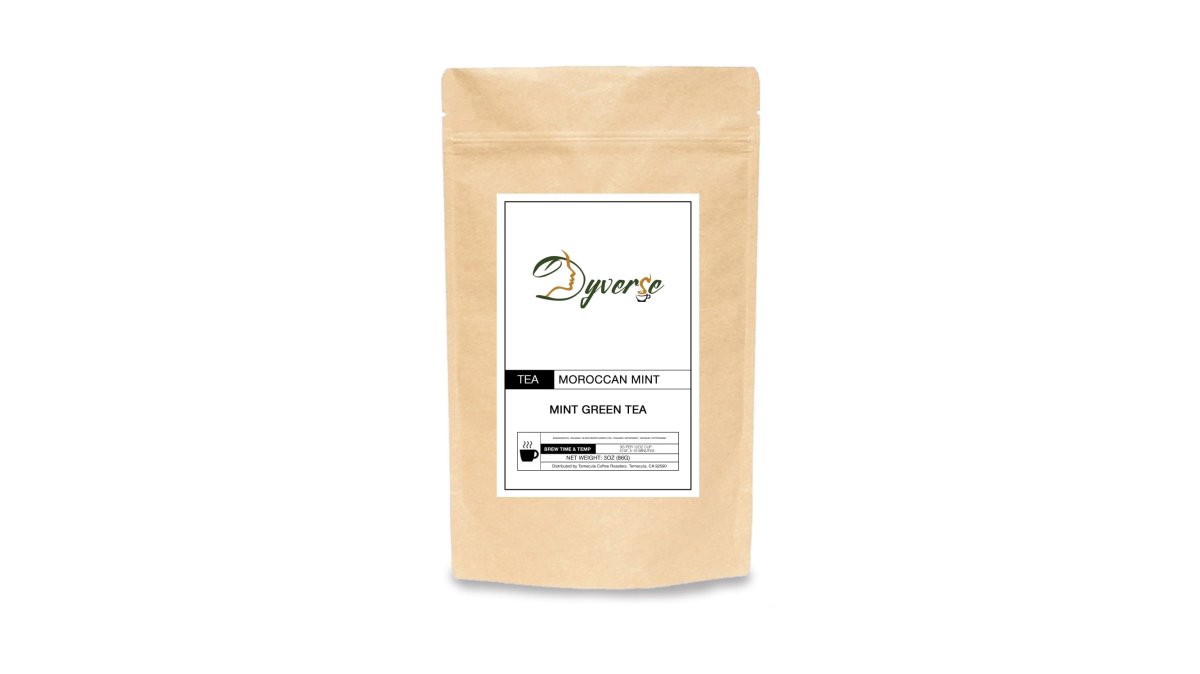
Herbal tea and specialty blends like our Moroccan Mint or Jasmine prefer hotter water, 180-212°F (82-100°C). Check your tea's guidance, but most herbal infusions are forgiving.
A temperature-control kettle removes the guesswork; an instant-read thermometer works fine too.
Tea Steeping Time by Type: From Black to White and Everything Between
Steeping time and water temperature work together: get both right and your tea sings.

Black tea steeps 4-5 minutes. The oxidized leaves need time to release full body and flavor, but past 5 minutes you risk over-extraction and bitterness. Start at 4 and taste as you go.
Green tea steeps 2-3 minutes. At 3 minutes you get full flavor without harshness; if it tastes thin, you need hotter water, not more time.
White tea steeps 3-5 minutes. Despite being delicate, its minimal processing means the leaves release flavor slowly, so don't rush it.
Oolong tea steeps 3-5 minutes depending on variety. Tightly rolled oolongs need the full 5 minutes to unfurl; more open ones finish in 3. Taste at 3 minutes and decide.
Herbal tea and specialty blends like our Hojicha steep 5-10 minutes. These aren't true teas, so longer steeping brings deeper, earthier notes and shorter steeping gives brightness.

A phone timer removes the guesswork: precision matters.
How Much Loose Leaf Tea Per Cup: Measurement Conversions and Scaling
Getting the tea-to-water ratio right is how you brew specialty tea properly every time: too little and your cup is weak, too much and it's overpowering.
The standard ratio is 1 teaspoon of loose-leaf tea per 8 ounces of water, a good starting point for most teas. For a stronger cup use 1.5 teaspoons; for lighter, 0.75. Your preference matters more than any rule.
In metric, that's roughly 2.5 grams of loose-leaf tea per 250 milliliters of water. A kitchen scale gives precision if you want consistency.
| Serving Size | Loose-Leaf Tea | Water | Steeping Time (Black) |
|---|---|---|---|
| 1 cup (8 oz / 240 ml) | 1 teaspoon (2.5g) | 8 oz / 240 ml | 4-5 min |
| 2 cups (16 oz / 480 ml) | 2 teaspoons (5g) | 16 oz / 480 ml | 4-5 min |
| 4 cups (32 oz / 960 ml) | 4 teaspoons (10g) | 32 oz / 960 ml | 4-5 min |
| 1 liter / 34 oz | 4 teaspoons (10g) | 1 liter | 4-5 min |
When scaling up for a teapot, the ratio stays the same: a 4-cup teapot needs 4 teaspoons, and a 1-liter pot needs about 4 teaspoons as well.
Loose-leaf tea is flexible: use 1.25 teaspoons per cup for a lighter oolong, or stick to 1 teaspoon for a strong black tea and steep it longer.
Water Quality and Freshness: The Foundation of Great Brewing
Your water matters as much as your tea. Poor water ruins good leaves. Great water brings them to life.
Start with freshly drawn water. Water sitting in a kettle or pitcher absorbs oxygen and tastes flat, so use water straight from the tap or filter every time.
Filtered water beats unfiltered: chlorine and heavy minerals mask subtle flavors, and a simple pitcher filter removes most impurities without stripping beneficial minerals.
Hard water dulls delicate teas like white or green, so a basic filter helps. Soft water works for all types but can taste flat; 50-150 ppm mineral content is ideal for most specialty teas.
Temperature stability matters too: pouring hot water into a cold cup drops the temperature immediately. Rinse your cup with hot water and discard it before brewing to keep the steep steady.
Common Tea Brewing Mistakes and How to Avoid Them
Most people make the same mistakes when brewing specialty tea; avoiding them gets you 80% of the way to a great cup.
Using water that's too hot on delicate teas. The #1 mistake: green and white leaves scald into a bitter, astringent cup. Use a thermometer or let boiling water cool 3-5 minutes.
Steeping too long. Longer means over-extraction and bitterness, not strength. Use a timer, start at the recommended time, and add 30 seconds if you want it stronger.
Using old tea leaves. After 6 months, even properly stored, flavor fades (Temporal depletion of packaged tea antioxidant quality under commercial storage condition). Buy smaller quantities more often; at Dyverse, we ship fresh tea directly to you.
Not rinsing loose-leaf tea first. A quick 5-10 second hot-water rinse removes dust and opens the leaves; discard that water, then brew.
Brewing in a cup without an infuser. Free-floating leaves over-steep because you can't remove them in time. Use a mesh infuser, small strainer, or teapot with a built-in filter.
Reusing old water. Cooled and reheated water loses oxygen and tastes flat. Always use fresh, hot water.
Multiple Infusions and Advanced Brewing Methods
What separates casual drinkers from enthusiasts: most specialty loose-leaf teas can be steeped multiple times, and each infusion tastes different.
The first infusion is strongest and most vibrant, the second smoother and subtler, and a third brings out different notes. Some high-quality oolongs and pu-erhs handle 5-8 infusions.
How to brew multiple infusions:
After the first steep, remove the leaves from the water. For the second infusion, use slightly hotter water and steep 30 seconds to 1 minute longer, then taste and adjust.
This is gongfu-style brewing, which originated in China and focuses on small cups, short steeps, and multiple infusions: about 1 tablespoon of leaves per 3-4 ounces of water, with 30-45 seconds for the first infusion.
Gongfu brewing reveals layers a single long steep never will, and it's meditative: you slow down, taste carefully, and notice how the tea evolves.
Not all teas work for multiple infusions: green teas handle 2-3, and oolongs excel at the method.
Choosing the Right Brewing Vessel and Equipment
Your brewing vessel affects flavor more than most people realize, because materials heat, cool, and interact with tea differently.
Glass teapots are ideal for specialty tea: you watch the leaves unfurl and the color develop, and glass absorbs no flavors or leaches anything. A simple one with a built-in infuser costs $15-30 and lasts years.
Ceramic teapots retain heat well for longer steeps, and some absorb tea oils over time, improving flavor on repeat use. They cost more but are worth it if you brew daily.
Stainless steel infusers and strainers work well for single cups: a mesh ball holds leaves and lets water flow, and a fine mesh strainer catches tiny particles. Both are cheap and effective.
Avoid plastic. It can leach chemicals in hot water and absorbs flavors and odors.
A gooseneck kettle with temperature control is the best investment you can make, letting you hit exact temperatures and pour precisely. Models run $30 to $200, and even a basic one transforms your brewing.
If you're just starting, you need:
- A kettle (temperature control helps)
- A cup or small teapot
- A mesh infuser or strainer
- Fresh, filtered water
- Good loose-leaf tea from a source you trust
Everything else is refinement.
Troubleshooting Flavor Problems in Your Brew
Your tea tastes off. Here's how to diagnose and fix it.
Bitter, astringent taste: Over-extraction from water too hot or steeping too long. Lower the temperature 10-15°F or cut steeping time by 30 seconds, then taste again.
Weak, thin flavor: Not enough tea or too short a steep. Add 0.5 teaspoon more tea or steep an extra minute; if it's still thin, your leaves may be old or low-quality.
Grassy or vegetal taste on green tea: Water was too hot and scalded the leaves. Let boiling water cool 5 minutes before pouring, and use a thermometer next time.
Flat, dull taste: Your water lacks freshness or minerals. Use freshly drawn water, and switch from distilled to filtered tap water.
Musty or stale flavor: Old or poorly stored tea. Loose-leaf absorbs odors and loses freshness, so buy fresher tea and store it airtight away from light and strong smells.
Too much bitterness even at the right temperature and time: Some teas are naturally astringent, or your water is very hard. Try a different variety or filtered water.
Once you dial in the right temperature and steeping time for your tea, you'll get consistent results. Keep notes and build your own reference guide.
Brewing specialty tea properly takes practice, but it's simpler than most people think. Temperature, time, water quality, and leaf-to-water ratio are your four levers.
At Dyverse, we source specialty loose-leaf teas like our Jasmine, Matcha, and Hojicha specifically because they reward careful brewing.

Frequently Asked Questions
What's the difference between loose-leaf tea and tea bags for specialty tea?
Loose-leaf tea allows water to circulate freely around the leaves, extracting flavors more evenly and completely. Tea bags often contain broken leaf pieces (fannings) that over-extract quickly, leading to bitterness. For specialty tea varieties, loose-leaf brewing gives you control over steeping time and produces a cleaner, more nuanced cup with better aroma and flavor complexity.
Can you steep specialty tea leaves more than once?
Yes, many specialty tea varieties benefit from multiple infusions. Oolong and high-quality green teas often reveal different flavor notes with each steeping. Start with your standard steeping time for the first infusion, then reduce time slightly for subsequent infusions (usually by 10-15 seconds).
Why shouldn't you boil green tea or white tea?
Boiling water (212°F/100°C) is too hot for delicate tea leaves and causes over-extraction, resulting in a bitter, astringent cup that masks the tea's natural sweetness and complexity. Green tea brews best at 160-180°F (70-80°C). Lower temperatures preserve the subtle floral and fruity notes that make these specialty teas worth brewing properly.
How do you know if you've steeped specialty tea too long?
Over-steeped tea tastes bitter, astringent, or flat. The aroma becomes dull and the color may appear darker than expected. If this happens, your next brew should use a shorter steeping time or slightly cooler water. Keep notes on your first attempt, specialty tea brewing is personal, so adjusting based on your taste preference helps you dial in the perfect cup every time.