

Anaerobic Coffee Process: Taste, Brewing & What Sets It Apart
Table of Contents
- What Is the Anaerobic Coffee Process?
- How Anaerobic Coffee Fermentation Works
- The Taste Profile: What Anaerobic Coffee Tastes Like
- Anaerobic vs Aerobic Coffee: Key Differences
- Anaerobic Natural Coffee Processing Methods
- How to Brew Anaerobic Coffee at Home
- Identifying and Troubleshooting Anaerobic Coffee
- Frequently Asked Questions
Last Updated: October 12, 2026
What Is the Anaerobic Coffee Process?
The anaerobic coffee process is a post-harvest fermentation method where coffee cherries ferment in a sealed, oxygen-free environment. Unlike traditional processing, which exposes beans to air, anaerobic fermentation traps carbon dioxide and other gases inside sealed tanks.
At Dyverse, we've tracked how this experimental processing method transforms the sensory profile of coffee. The oxygen-free environment fundamentally changes how yeast and bacteria interact with the beans, producing distinctive wine-like and fruity notes that appeal to adventurous coffee drinkers seeking rare flavor experiences.
The process takes anywhere from 24 hours to several weeks, depending on the roaster's intention and temperature control. Shorter fermentation times produce milder complexity. Longer fermentation develops more pronounced fruit and wine characteristics. Temperature matters enormously, warmer environments accelerate microbial activity, while cooler conditions slow fermentation and create different flavor compounds.
What makes this method stand out is the precision required. Fermentation in sealed tanks demands careful monitoring to avoid off-flavors. When executed well, anaerobic fermentation produces some of the most sought-after specialty coffee on the market today.
How Anaerobic Coffee Fermentation Works
Anaerobic fermentation happens when coffee cherries sit in sealed tanks with no oxygen present. The yeast and bacteria naturally living on the coffee cherry skin begin consuming sugars without air.
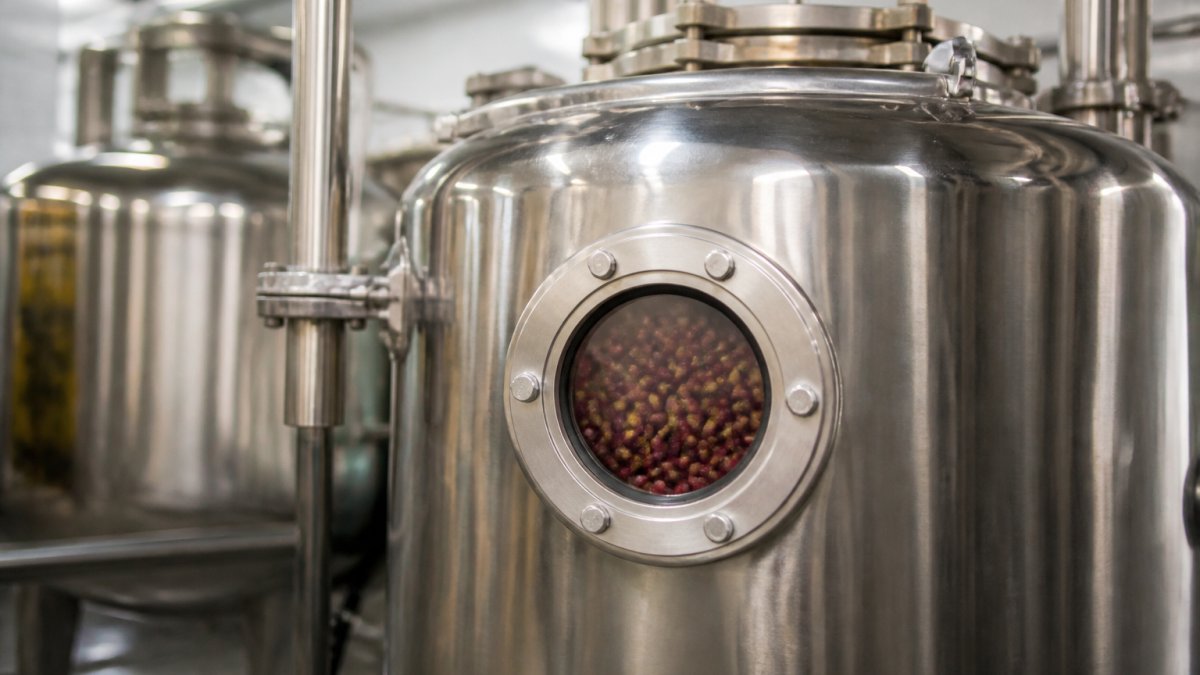
Inside the tank, carbon dioxide builds up as a byproduct of fermentation. This pressure and the absence of oxygen trigger the production of esters and other compounds that create wine-like, fruity, and complex flavors.
Temperature control is critical throughout. Warmer temperatures accelerate fermentation and microbial activity. Most producers maintain temperatures between 68-75°F for predictable results. Too warm, and fermentation moves too fast, potentially creating undesirable flavors. Too cold, and the process stalls.
The fermentation time directly impacts the final taste. Many producers monitor the process by checking pH levels and tasting samples. When the desired flavor profile emerges, they stop fermentation by removing the oxygen seal or drying the beans.
The Taste Profile: What Anaerobic Coffee Tastes Like
Anaerobic coffee tastes distinctly different from washed or natural process coffees. The flavor profile typically features wine-like notes, berry flavors, and a syrupy body that coats your mouth. You'll often detect tropical fruit, brown sugar sweetness, and hints of cinnamon or clove in the cup.
The complexity comes from the fermentation chemistry. Esters, compounds that create fruity aromas, develop more intensely in anaerobic conditions. This is why many tasters describe anaerobic coffee as "funky" in a positive way. The flavor is bold, sometimes tangy-sweet, and always memorable.
Acidity tends to be higher and brighter in anaerobic beans compared to natural process coffees. This creates a more vibrant mouthfeel. The combination of acidity, fruit notes, and syrupy body makes anaerobic coffee feel substantial and flavorful on your palate.
Not every anaerobic coffee tastes the same. The origin, altitude, and specific microbial activity in the tank all influence the final cup quality. Coffee from one region might show berry and chocolate notes, while another displays citrus and wine characteristics. This variability is part of what makes anaerobic processing exciting for specialty coffee enthusiasts.
Anaerobic vs Aerobic Coffee: Key Differences
Aerobic fermentation happens when coffee cherries ferment with oxygen present. This is the traditional washed process used for decades. Microbes consume sugars while exposed to air, producing different flavor compounds than anaerobic methods.
Anaerobic fermentation removes oxygen entirely. This forces a different metabolic pathway in yeast and bacteria, creating esters and other compounds that produce fruit-forward, wine-like flavors. The sealed tank environment is the defining factor.
Here's what separates them in practice:
- Flavor complexity: Anaerobic creates bolder, more fruit-forward notes. Aerobic produces cleaner, more straightforward flavors.
- Fermentation speed: Anaerobic fermentation often completes faster due to accelerated microbial activity in sealed tanks.
- Consistency: Aerobic fermentation is more predictable because oxygen levels remain constant. Anaerobic requires active monitoring to control pressure and pH.
- Cup quality: Anaerobic coffee typically scores higher in specialty coffee competitions when executed well, but it's also riskier, mistakes are more noticeable.
The processing method fundamentally changes which flavor compounds develop. In aerobic conditions, certain bacteria thrive and produce specific acids. In anaerobic conditions, different microbes dominate, creating entirely different sensory results. Think of it like cooking the same ingredient in different environments, the outcome changes dramatically.
Anaerobic Natural Coffee Processing Methods
Several specific anaerobic techniques exist, each with slight variations in how they're executed. Understanding these methods helps you anticipate the flavor profile you'll get.
Sealed tank fermentation is the most common approach. Coffee cherries sit in sealed, food-grade containers for a defined period. Producers monitor temperature and sometimes measure CO2 levels to track fermentation progress. This method offers precision and consistency.
Carbonic maceration is a specialized anaerobic technique borrowed from winemaking. Coffee cherries ferment inside sealed tanks filled with CO2 gas. The high CO2 concentration creates very specific flavor compounds. This method produces intensely fruity, wine-like profiles.
Anaerobic natural processing combines anaerobic fermentation with the natural (dry) process. Whole coffee cherries ferment anaerobically in sealed tanks, then dry with the fruit still attached.
Honey process variants sometimes incorporate anaerobic fermentation. Producers remove the outer cherry skin but leave mucilage on the bean, then ferment anaerobically before drying. This hybrid approach balances the sweetness of honey process with the complexity of anaerobic fermentation.
Each method requires different fermentation times and temperature management. The roaster's skill determines whether the final cup tastes intentionally complex or accidentally off.
How to Brew Anaerobic Coffee at Home
Most articles stop at the fermentation tank. But the reason you bought an anaerobic bean, the esters, the wine-like acidity, the syrupy body, only shows up in the cup if you brew it differently than a standard washed coffee. This section is the practical bridge the rest of the internet skips.
Why anaerobic beans need a different recipe
Anaerobic fermentation produces a higher concentration of volatile aromatic compounds (esters, some phenols) and, in many lots, more residual sugars from the mucilage. Two practical consequences follow:
- Aromatics are fragile. They volatilize fast. Pre-grinding 30 minutes ahead of brewing will flatten a fruit-forward anaerobic bean noticeably more than it would a washed Colombian.
- Extraction is faster and less forgiving. The higher sugar content and often lighter roast profile mean over-extraction turns 'berry jam' into 'berry vinegar' quickly. You have a narrower sweet spot than with a clean washed coffee.
A starting recipe that works across methods
Treat this as a baseline, then adjust by taste. These ratios are common starting points among specialty roasters and home brewers, not universal laws.
Pour-over (V60, Kalita Wave, Chemex)
- Dose: 15 g coffee to 250 g water (1:16.6)
- Water temp: 200-203°F (93-95°C). Start at the lower end for very fruit-forward lots.
- Grind: medium, roughly table-salt texture. Slightly coarser than you'd use for a washed Ethiopian.
- Bloom: 45 g water, 30-40 seconds. Anaerobic beans degas fast, so a shorter bloom is fine.
- Total brew time: 2:45-3:15. If it runs past 3:30, go coarser.
French press
- Dose: 30 g coffee to 500 g water (1:16.6)
- Water temp: 200°F (93°C)
- Grind: coarse, like raw sugar
- Steep: 4 minutes, then press slowly and decant immediately. Leaving the brew sitting on the grounds will pull bitter, muddy notes that bury the fruit.
AeroPress
- Dose: 15 g coffee to 220 g water
- Water temp: 195-200°F (90-93°C)
- Grind: medium-fine
- Brew: 1:30 steep, then press gently over 30 seconds. This method is the most forgiving for a first attempt at an anaerobic bean.
Espresso
- Dose: 18 g in, 36-40 g out (1:2 to 1:2.2)
- Water temp: 200-203°F (93-95°C)
- Time: 25-30 seconds
- Expect a fast, gushing shot if you use a washed-coffee grind. Go finer than usual and be ready to shorten the ratio if the shot tastes like fruit leather rather than fruit.
Three adjustments that fix most bad cups
- Tastes thin or hollow? Your water was too cool or your grind too coarse. Raise temp by 3-5°F before you change the grind.
- Tastes sharply sour or vinegary? You're under-extracting the sugars but over-emphasizing the acids. Go finer, not hotter.
- Tastes bitter or ashy? You over-extracted. Coarsen the grind and shorten total time by 20-30 seconds.
A note on resting and freshness
Anaerobic beans often taste best 7-14 days off roast. Very fresh anaerobic coffee can taste 'closed' or even slightly sulfurous because CO2 is still escaping. If your first cup on day 3 is disappointing, wait a week and try again before you blame the bean.
Identifying and Troubleshooting Anaerobic Coffee
Competitors explain the process but rarely tell you how to tell a well-made anaerobic coffee from a spoiled one. That distinction matters, because 'funky' is the single most misused word in specialty coffee. Here's a practical framework.
Reading the bag before you buy
Anaerobic coffee is expensive and inconsistent across producers, so the label is your first filter. Look for:
- Explicit process language: 'anaerobic fermentation,' 'anaerobic natural,' 'carbonic maceration,' or 'sealed tank.' If the bag just says 'experimental,' ask the roaster what that means.
- Fermentation duration: '72-hour anaerobic' or '96-hour anaerobic' tells you intensity. Under 24 hours tends to be subtle; past 120 hours, expect a heavier, more polarizing cup.
- Tasting notes that match the process: Berry, stone fruit, red wine, rum, cinnamon, clove, and tropical fruit are typical. If the notes read like a washed coffee (citrus, floral, tea), the anaerobic character may be faint.
- Roast date, not just 'best by.' Anaerobic beans are usually best 7-21 days off roast.
A sensory checklist: good funk vs. bad funk
Use this as a quick self-check when you cup an anaerobic coffee. The goal is not to memorize it but to notice which column your cup falls into.
Good anaerobic character (intentional fermentation)
- Fruit that reads as ripe and specific: strawberry, blueberry, mango, passionfruit
- Wine-like or rum-like depth, but with sweetness underneath
- A syrupy, coating body
- Acidity that feels bright and structured, not sharp
- Aroma that changes as the cup cools, new notes appear
Bad anaerobic character (fermentation gone wrong)
- Vinegar, kombucha, or nail-polish remover (ethyl acetate)
- Rot, silage, or 'wet garbage', usually a sign of contamination
- Sulfur, burnt match, or boiled-egg notes
- A flat, hollow mid-palate with no sweetness to balance the acid
- Aroma that is aggressive on the first sniff and then disappears
Frequently Asked Questions
What does anaerobic coffee taste like?
Anaerobic coffee delivers bold, complex flavors with pronounced fruity and wine-like notes. You'll often detect berry flavors, stone fruit, and tropical characteristics alongside brown spices like cinnamon and clove. The syrupy body and tangy-sweet balance create a sensory profile that feels more experimental than traditional washed coffees. Many describe the cup as funk-forward with a smooth, full mouthfeel that lingers on the palate.
How does anaerobic coffee fermentation affect the flavor?
During anaerobic fermentation in sealed tanks, microbes and yeast work without oxygen, producing carbon dioxide and creating ester-forward compounds that wouldn't develop in normal processing. This oxygen-free environment intensifies microbial activity, generating the wine-like and fruity characteristics that define anaerobic coffee. Temperature control during fermentation time directly influences whether those flavors lean toward bright berries or deeper brown sugar notes. The longer the fermentation, the more pronounced the flavor complexity becomes.
What is the difference between anaerobic and aerobic coffee processing?
Anaerobic processing happens in sealed, oxygen-free tanks where fermentation creates bold fruit-forward and funky flavors. Aerobic processing (like washed or natural methods) exposes coffee cherries to air, resulting in cleaner, more balanced cup profiles. Anaerobic environments trap carbon dioxide and intensify microbial activity, producing ester compounds that aerobic methods cannot. The result: anaerobic coffees taste more experimental and complex, while aerobic coffees offer more traditional, predictable flavor profiles. Temperature and fermentation time matter in both, but sealed tanks give roasters more control over the final sensory outcome.
How should you brew anaerobic coffee?
Brew anaerobic coffee using standard methods like pour-over, French press, or espresso, but start with slightly cooler water (195-200°F) to avoid over-extracting the intense fruit and funky notes. Use a medium-fine grind and a 1:16 coffee-to-water ratio as your baseline, then adjust based on taste. Since anaerobic beans have higher complexity and acidity, shorter brew times often work better than prolonged steeping. Begin with a 3-4 minute brew and taste, then refine. Many home brewers find that anaerobic coffees shine brightest when brewed fresh and consumed within days of opening.